
Project Info
In March 2022, Fincorp Agro launched the Clonal Coffee Seedling Production Project, aimed at boosting coffee production in the Albertine region through the provision of high-quality clonal coffee seedlings.
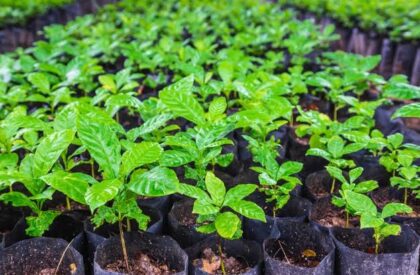
Before
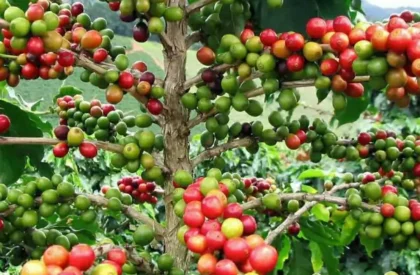
After
Project Description
The project was designed to meet the growing demand for coffee both locally and internationally by supporting smallholder and commercial farmers in improving their yields and the quality of their coffee beans.
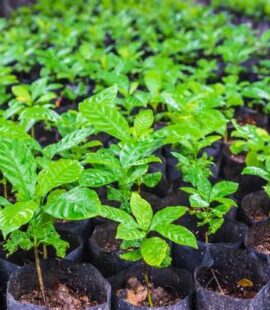
As part of this initiative, Fincorp Agro established four clonal coffee nurseries in the Karongo area, each capable of producing 200,000 seedlings annually. These nurseries focused on producing disease-resistant, high-yielding coffee varieties approved by the Uganda Coffee Development Authority (UCDA). The seedlings were distributed to farmers at subsidized rates, encouraging widespread adoption of improved coffee varieties.
In addition to seedling production, the project included a comprehensive training program where farmers were educated on modern coffee farming techniques, including land preparation, proper seedling transplanting, coffee tree maintenance, pest and disease control, and harvesting methods. The goal was to help farmers improve their productivity, enhance the quality of their coffee beans, and ultimately increase their income.
This project was aligned with the government’s coffee roadmap to increase Uganda’s coffee production from 4.5 million bags to 20 million bags annually by 2030. Fincorp Agro’s efforts contributed to this national vision by empowering local farmers and improving the region’s overall coffee output.
Project Challenges
Initial Resistance to New Technology: Some farmers were hesitant to adopt greenhouse farming practices, as they were more accustomed to traditional farming methods. Overcoming skepticism required additional training sessions and demonstrations to show the long-term benefits of greenhouse farming.
High Setup Costs
Logistical Constraints
Project Result

Improved Crop Quality: The controlled environment in the greenhouses resulted in healthier, higher-quality crops that were less prone to pests and diseases, making the produce more marketable and fetching higher prices.
Reduced Post-Harvest Losses
Adoption of Modern Farming Practices